2026-10-12 ·
How to Flush a Water Heater Tank in Boston Homes
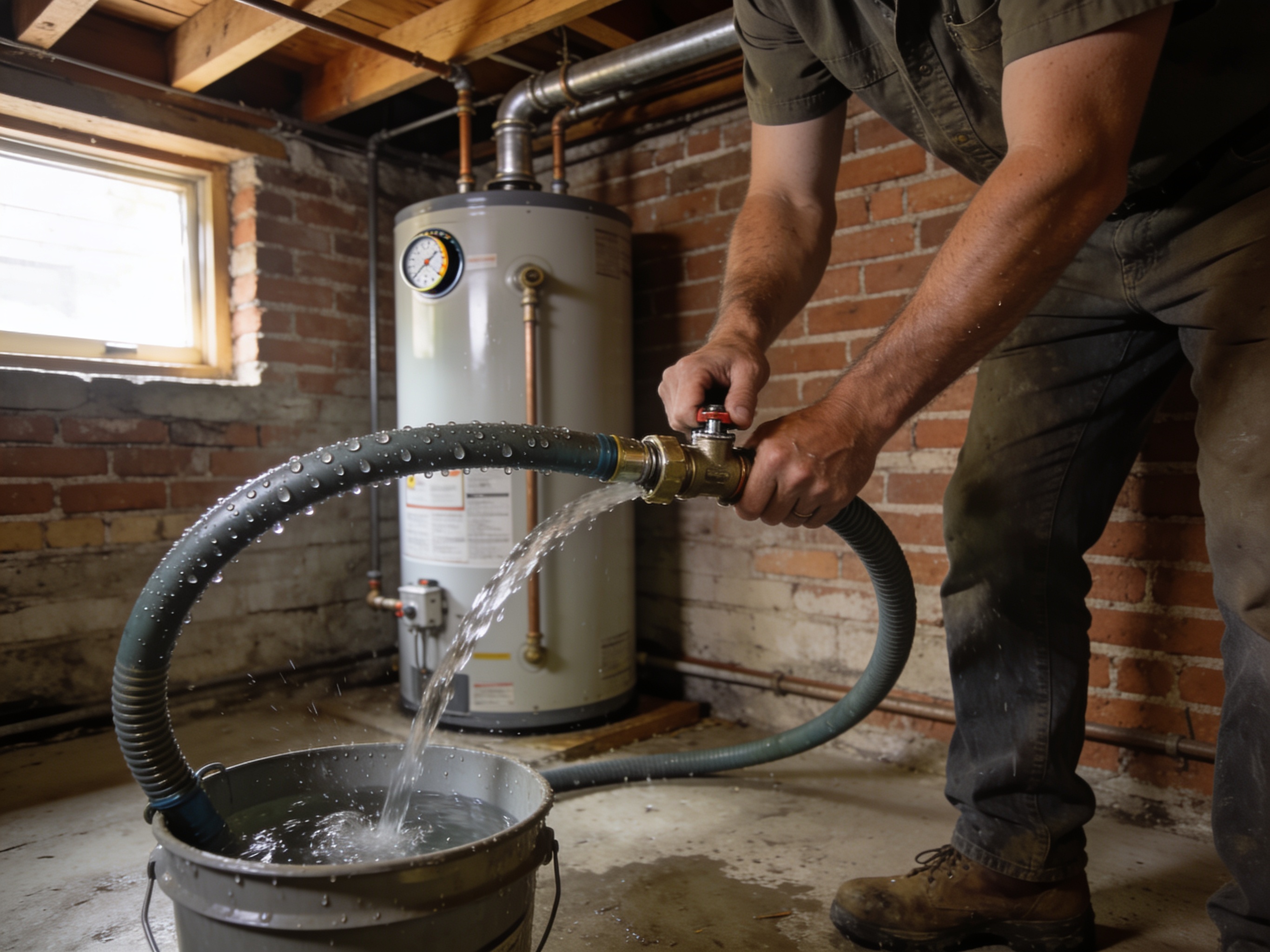
Flushing a water heater tank in Boston homes takes 30 to 60 minutes and requires shutting off power or gas, attaching a hose, and draining until the water runs clear.
Preparing Your Water Heater for Flushing
Boston homes built before 1950 in neighborhoods such as Beacon Hill, Back Bay and the North End often hold 40- to 50-gallon tanks that collect sediment from municipal supply lines. Start by locating the shutoff valve and confirming whether the unit is electric or gas. Gather a garden hose long enough to reach a floor drain, a bucket, gloves and safety goggles. Turn off power at the breaker or set the gas valve to pilot. Allow the tank to cool for at least two hours so the water temperature drops below 120 degrees. Check the pressure relief valve by lifting its lever briefly to confirm it moves freely. These steps prevent scalding and reduce stress on pipes common in older Suffolk County buildings.
The Flushing Procedure
Attach the hose to the drain valve at the base of the tank and run the other end to a safe discharge point such as a utility sink or outside. Open a hot water faucet on the top floor to allow air into the system. Open the drain valve slowly and let water flow until it appears clear, which usually takes 10 to 20 minutes for a typical 50-gallon unit. Close the valve, refill the tank, then restore power or gas and run hot water at several fixtures until flow stabilizes. Repeat the drain step if sediment still appears. In Cambridge and Somerville homes with similar age and piping, this process often reveals rust particles that shorten element life if left in place.
Handling Boston-Specific Challenges
The Atlantic-moderated humid continental climate brings cold winters that increase hot water demand from November through March, stirring up more sediment in tanks located in South Boston, Dorchester and Jamaica Plain. Older brick buildings in these areas frequently have basement installations with limited access, requiring extra hose length and careful spill containment. Hard water minerals common in the region settle faster when temperatures fluctuate. After flushing, inspect the anode rod if accessible; replacement every 3 to 5 years prevents tank corrosion. Homeowners in Charlestown and East Boston report fewer emergency calls when they flush annually before the heating season begins.
Knowing When Professional Help Is Needed
If the drain valve is stuck, water remains discolored after two flushes, or the tank is more than 8 years old, contact a technician rather than forcing the process. Signs such as rumbling noises, inconsistent temperatures or leaks around the base indicate issues best addressed through water heater repair. For routine care that prevents these problems, schedule water heater maintenance before winter peaks. Residents near Fenway Park or along the Freedom Trail who notice rising energy bills often find that sediment removal restores efficiency without full replacement. Learn more about seasonal factors in our post on why Boston winters trigger more water heater repair calls.